Loading…

Create Your Dream Home Office with the Perfect Chair
Expert guide to Create Your Dream Home Office with the Perfect Chair: Inspiration and Ideas with buying advice, key considerations, and affiliate-backed recom
Loading…
Expert guide to Create Your Dream Home Office with the Perfect Chair: Inspiration and Ideas with buying advice, key considerations, and affiliate-backed recom
Reader-Supported Disclosure: CozyNextLiving is reader-supported. When you purchase through links on our site, we may earn an affiliate commission from Amazon Associates at no additional cost to you. Product prices and availability are accurate as of the date/time indicated and are subject to change.
⚡ Quick Picks — Our Top Recommendations
See full reviews ↓
There's a particular kind of regret that comes from buying the wrong office chair. It doesn't hit you at the checkout screen. It shows up three weeks later as a dull ache in your lower back that you keep attributing to bad sleep, stress, or getting older. Eventually you realize: it's the chair.
I've watched people spend $1,200 on a standing desk and then park themselves in front of it on a $79 chair from a big-box store. The math never made sense to me. Your back doesn't care how adjustable your desk is.
This guide exists because most chair buying advice is either a thinly veiled affiliate roundup or a spec sheet dressed up as an article. What I want to do here is explain the actual mechanics — why certain features matter, what the ergonomics research says, and how to avoid the traps that catch most buyers.
Sitting isn't a passive activity. When you sit — especially when you sit badly — your hip flexors tighten, the curve in your lower spine flattens, and your intervertebral discs absorb uneven pressure for hours at a time. Over weeks and months, that adds up.
The problem isn't sitting itself. It's sustained, unsupported sitting. A chair with proper lumbar support keeps your lumbar spine in its natural lordotic curve. This sounds small. The difference in how you feel after a six-hour workday is not small.
Beyond the back, there's the matter of focus. Discomfort is cognitively expensive. Your brain burns real energy managing pain signals, adjusting your position, and generally tolerating an environment that isn't working for your body. A comfortable chair doesn't just feel better — it frees up mental bandwidth that would otherwise go toward managing physical misery.
Walk into any office furniture showroom and you'll see chairs with fifteen adjustment points, breathable "aerospace" mesh, and lumbar systems that cost more than a plane ticket. Not all of it is marketing fluff. But a lot of it is.
Here's what genuinely matters:
Lumbar support — and not just any lumbar support. Most budget chairs include a fixed foam bump somewhere around the lower back. This is nearly useless because human bodies differ. The lumbar curve sits at different heights for different people; a bump that lands perfectly for a 5'10" person hits entirely the wrong vertebrae on someone who's 5'4". Adjustable lumbar — where you can move it up and down, and sometimes in and out — is the single most important feature for spinal comfort. If a chair lacks this, everything else is secondary.
Seat depth. Overlooked, chronically underappreciated. Seat depth refers to how far back the seat pan extends. Sit too far from the backrest and you lose lumbar support; sit with the edge pressing against the back of your knees and you restrict circulation. Proper fit means two to three fingers of clearance between the seat edge and your knee. Adjustable seat depth lets you actually achieve this regardless of leg length.
Armrests that go where your arms actually are. Fixed armrests are often useless or actively harmful — either too high (forcing shoulders up) or too low (offering nothing). Look for height adjustment at minimum. Width adjustment matters too if you're broader or narrower than average. The goal is relaxed shoulders, forearms roughly parallel to the floor, no weight pulling on your neck and traps.
Recline with tension control. Staying rigidly upright for hours isn't healthy either. Slightly reclining — around 100 to 110 degrees — reduces disc pressure compared to sitting bolt upright at
Amazon Pricing & Availability
Check live customer ratings, stock levels, and current merchant pricing for MAXYOYO Accent Chair Best for Home Decor.
Seat material. Foam compresses. This isn't opinion, it's physics. Budget chairs use low-density foam that loses its shape within months, leaving you effectively sitting on a wooden platform with thin padding. Higher-density foam or quality mesh maintains its properties over years. Mesh has an additional advantage for long sessions: airflow. A foam seat in a warm room after three hours becomes noticeably uncomfortable in ways that are hard to describe but easy to experience.
Chairs exist across an enormous price spectrum, and the relationship between price and quality is real — but it's not linear.
Under $200: You're in commodity territory. These chairs are often manufactured to a price point, not a performance standard. Some are serviceable for light use — a few hours a day, someone not particularly prone to back issues. For full-time remote workers logging six to eight hour days, most chairs in this range will start causing problems within months.
$200 to $500: This is where meaningful ergonomics begin. Chairs in this range from established brands — Autonomous, Branch, Humanscale's entry options — offer genuine lumbar adjustability, reasonable build quality, and warranties that signal the manufacturer expects the product to last. The best chairs in this range punch significantly above their price for the right body types.
$500 to $900: Noticeably different build quality. You're now in territory where the mechanisms feel precise rather than plasticky, where adjustments hold their position over time rather than slowly drifting, and where the seat foam or mesh is designed for durability rather than shelf appeal.
$900 and above: Herman Miller. Steelcase. Haworth. These brands exist in this price tier because their products have earned long track records in commercial environments where chairs get used by multiple people daily for years. The Herman Miller Aeron, for instance, has been in continuous production since 1994 with iterative improvements — that's not a coincidence. At this level, you're buying engineering, warranty coverage (typically 12 years for Herman Miller), and the reasonable expectation that the chair will outlast several computers.
The honest calculation for heavy daily use: a $1,000 chair used eight hours a day for ten years costs roughly $0.27 per day. A $250 chair replaced every two years costs $0.34 per day and gave you worse support the whole time.
Gaming chairs. The racing-seat aesthetic has become ubiquitous, and gaming chair brands have done an impressive job marketing their products as ergonomic. Most aren't. The high side bolsters that look dramatic are designed to hold a body in place during lateral forces — useful in a race car, counterproductive in a desk chair where you need freedom of movement. The built-in "lumbar pillows" are typically fixed and shallow. For occasional gaming sessions, fine. For full workdays, look elsewhere.
Buying based on photos. A chair can look stunning in a product shot and feel terrible after twenty minutes. The foam density, the recline mechanism quality, the actual adjustability range — none of this is visible in photography. This is why reading reviews from people describing extended use matters far more than a chair's aesthetic appeal.
Ignoring warranty terms. A chair with no warranty or a 90-day warranty is telling you something. Manufacturers who build products designed to last don't hesitate to back them. When a brand offers a 12-year warranty, they've run the numbers and determined the failure rate justifies the promise. When a brand offers six months, they've run different numbers.
Assuming assembly difficulty doesn't matter. A chair that arrives in forty-seven pieces with instructions translated from another language through a dialect of guesswork is a frustrating start to what's supposed to be a long-term relationship with a piece of furniture. Legitimately bad assembly experiences are documented in reviews constantly and almost always correlate with other quality issues.
Start here: How many hours a day will you actually sit in this chair? Be honest. If the answer is under four hours, you have a lot more flexibility. If it's six to eight, you're buying a health decision as much as a furniture decision.
Second question: Do you have any existing back, neck, or hip issues? If yes, adjustable lumbar and seat depth move from "nice to have" to "non-negotiable." Some people with chronic lower back pain find significant relief specifically from chairs with dynamic lumbar support that moves with the spine rather than providing static resistance.
Third: What's your actual budget — not your aspirational budget, the one you'll commit to? Set it before you start browsing. Once you're looking at chairs, scope creep is real and aggressive.
From there, the research process is straightforward: identify three to five chairs in your budget range with adjustable lumbar and seat depth, read reviews specifically from people describing use patterns similar to yours, and — if at all possible — find somewhere you can sit in them before buying. Many office supply stores and dedicated furniture showrooms carry display models. Twenty minutes in a chair tells you more than twenty hours of reading reviews.
Amazon Pricing & Availability
Check live customer ratings, stock levels, and current merchant pricing for MAXYOYO Accent Chair Best for Home Decor.
Here's something the chair industry doesn't emphasize: even a perfect chair can't fully compensate for sitting without movement. The research on sedentary behavior is fairly clear — prolonged unbroken sitting, regardless of posture quality, carries real physiological costs.
The practical implication isn't that chairs don't matter. It's that the best chair setup includes a reminder (or a habit) to stand and move briefly every 45 to 60 minutes. Not a standing desk, not a treadmill desk — just getting up, walking to get water, doing a few hip flexor stretches, coming back. The combination of a well-fitted chair and occasional movement is dramatically better than either alone.
A good chair is the foundation. It reduces the damage accumulation during the hours you are sitting. It makes the six hours you spend working feel like six hours, not like ten. For anyone whose livelihood depends on showing up mentally every day, that's not a small thing.
Based on verified customer feedback, technical specifications, and comprehensive market research.

Live pricing & availability verified on Amazon
If you're after an accent chair that blends in without stealing the show, the MAXYOYO is a solid bet. Its minimalist design, soft tufted upholstery, and muted neutral tones bring a calm, relaxed feel to living rooms, bedrooms, or home offices. The seat and back are packed with high-density shredded foam wrapped in breathable corded fabric, so it's genuinely comfortable for reading, TV, or your morning coffee — without overheating. Underneath, a sturdy metal frame and FSC-certified wooden armrests support up to 300 lbs, giving you a stable, durable feel that holds up to daily use. Assembly is straightforward, taking about 15 to 30 minutes with the included tools, but plan ahead: the cushion needs a full 48 hours to expand for best comfort. It's a low-key, sophisticated addition that quietly elevates your space without trying too hard.


Compare all products at a glance to find the best fit for your needs and budget.
| Product | Rating | Price | Weight Capacity | Frame Material | Armrest Material | Action |
|---|---|---|---|---|---|---|
MAXYOYO Accent Chair Best for Home Decor | 4.4 4.4/5 | $109 $119.99 | 300 lbs | Metal | FSC-certified wood | View Deal |
CHITA Genuine Leather Power Recliner Chair for Adults | 4.5 4.5/5 | $729 $799.99 | 350 lb | |||
Furlide Lazy Chair with Ottoman | 4.4 4.4/5 | $159 | — | — |
MAXYOYO Accent Chair Best for Home Decor is one of our top-rated picks in this category. If it matches your needs, now is a great time to check the current price.
Check Today's Price on AmazonOpens Amazon in a new tab · No extra cost to you
Find your ideal furniture now
Specializes in living room ergonomics, space-saving furniture layouts, and home organization. Evaluates frame integrity, upholstery durability, and long-term owner feedback over 12+ month usage windows to ensure dependable long-term comfort.
Your feedback helps us continuously improve our data analysis and product recommendations.
As an Amazon Associate, CozyNextLiving earns from qualifying purchases. When you click on links to Amazon and make a purchase, we may earn a small commission at no additional cost to you. This helps us continue providing honest, in-depth product reviews.
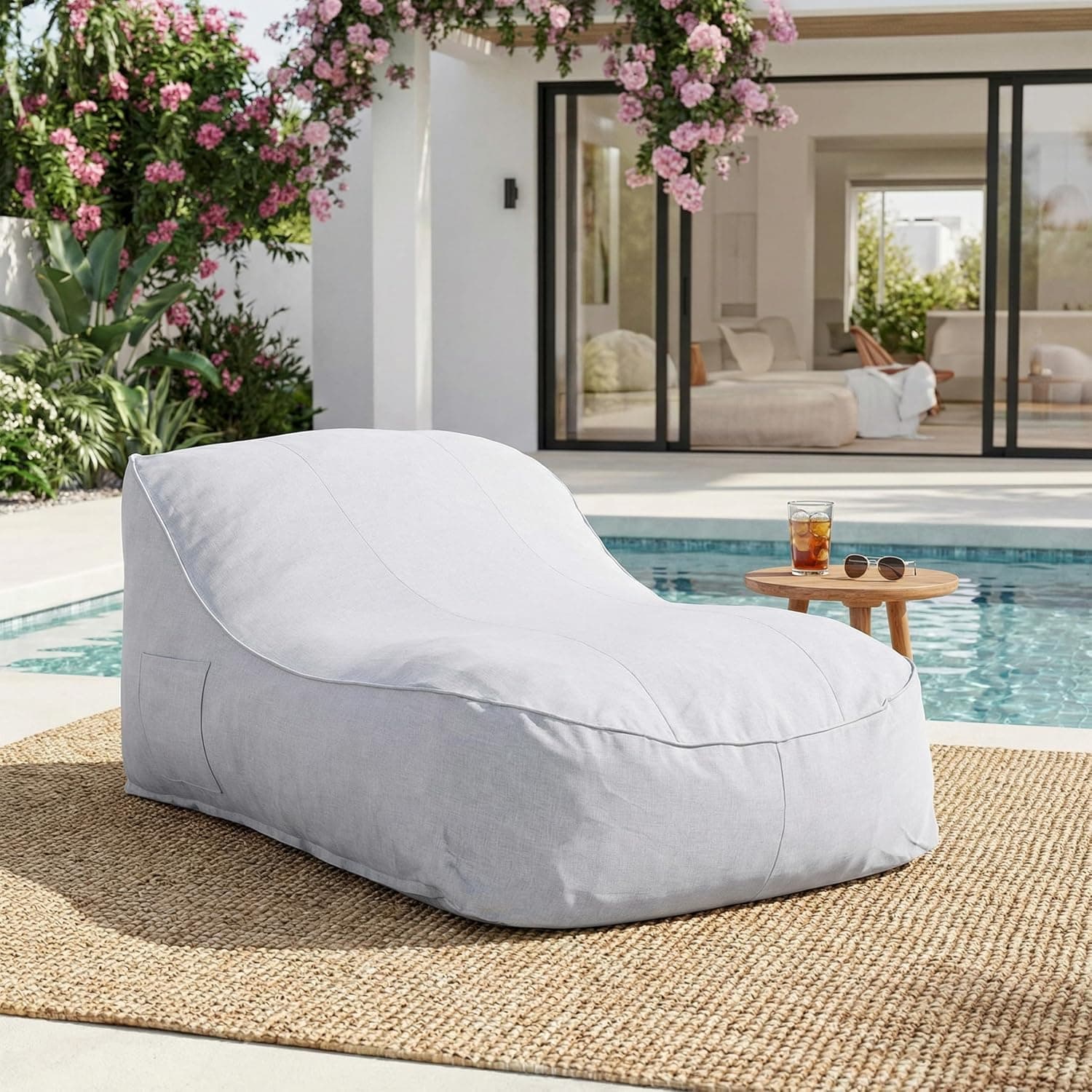
In-depth guide to Outdoor Bean Bag Chairs: Weather‑Resistant Fabrics for Patios and Gardens: curated picks, customer review insights, and practical buying adv
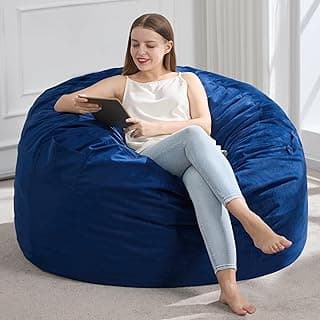
In-depth guide to Kids’ Bean Bag Chairs: Safe, Washable, and Kid‑Friendly Options Under $150: curated picks, customer review insights, and practical buying ad
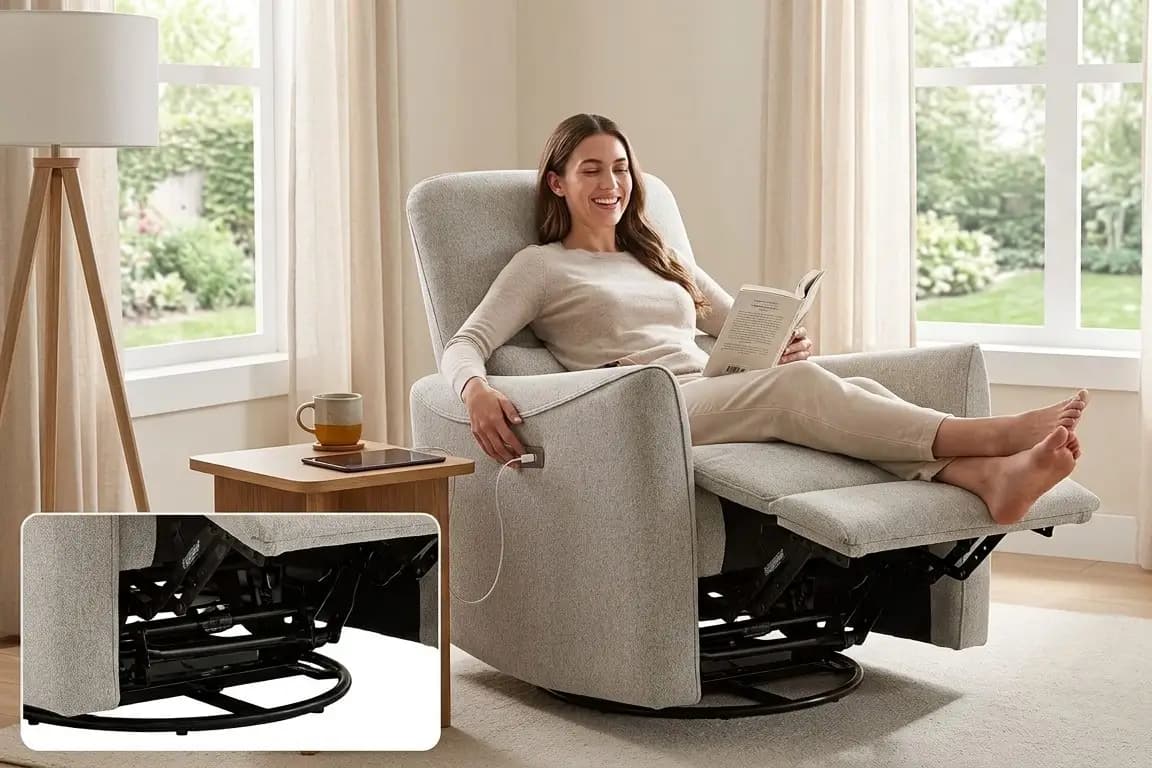
In-depth guide to Chita Store CHITA Power Swivel Glider Recliner Chair Breakdown (2026): What Technical Specs & Customer Reviews Say: curated picks, customer
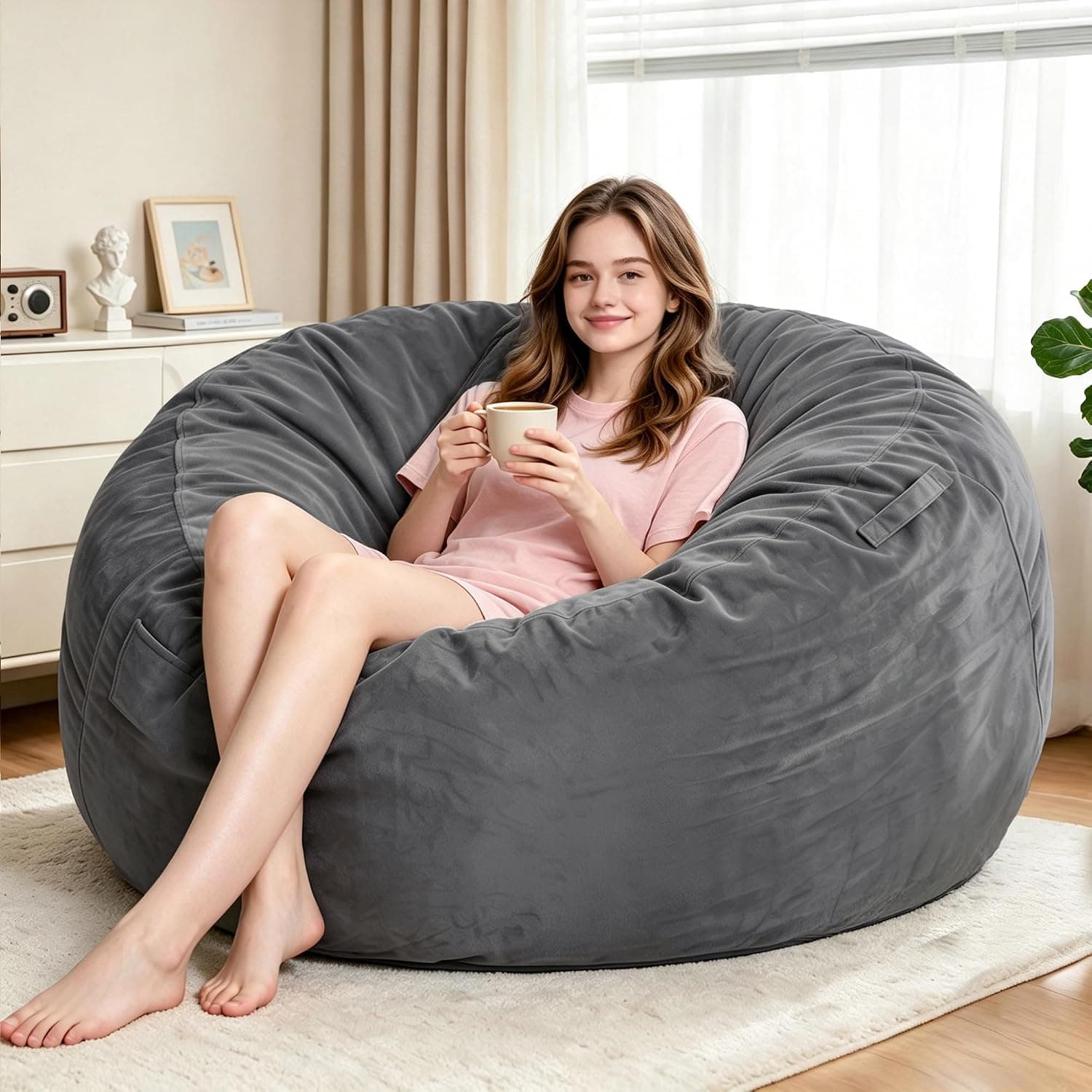
Expert guide to Bean Bag Chairs for Small Apartments: Space‑Saving Designs That Still Feel Luxurious with buying advice, key considerations, and affiliate-bac
Expert guide to Bean Bag Chairs for Small Apartments: Space‑Saving Designs That Still Feel Luxurious with buying advice, key considerations, and affiliate-bac

Expert guide to Why the UODERS Plush Floor Sofa is the Ultimate Addition to Your Gaming or Reading Nook with buying advice, key considerations, and affiliate-

Expert guide to Best Modular Sofas for Apartments and Townhouses with buying advice, key considerations, and affiliate-backed recommendations.
Live pricing & availability verified on Amazon
Relax in style with the CHITA Genuine Leather Power Recliner, featuring smooth motorized reclining from upright to near-flat positions. The top-grain leather upholstery offers durability and easy maintenance, while the swivel base provides flexible positioning. Designed for adults up to 5'10", its supportive backrest and adjustable headrest promote comfortable lounging. Simple plug-in operation and tool-free assembly make setup effortless. With a 350 lb weight capacity, this recliner combines everyday functionality with premium comfort for your living space.
Live pricing & availability verified on Amazon
Sink into cloud-like comfort with the Furlide Lazy Chair, featuring soft plush fabric and PP cotton padding that wraps around your body. The sturdy steel frame with non-slip foot covers provides stability on any surface, while the folding ottoman stores away easily when not in use. A built-in side pocket keeps your phone, books, or remote within arm's reach. Assembly takes just 10 minutes with no special tools, and the removable, washable covers make cleanup simple. Backed by 3-year product support, this modern accent chair fits beautifully in living rooms, bedrooms, or home offices and comes in multiple colors to match your space.
| — |
| — |
| View Deal |
| — |
| View Deal |